Why PayPal Matters for Gambling
PayPal has become the preferred payment method for many UK casino players. The reasons are practical: fast transactions, an extra layer between your bank and the casino, and the trust that comes with using a payment service you likely already have. When PayPal accepts a gambling site, it signals a level of vetting that players find reassuring.
Not every UK casino offers PayPal. The payment provider is selective about which gambling operators it works with, requiring UKGC licensing and additional compliance checks. This selectivity means PayPal availability functions as an informal quality filter—sites that accept it have met standards beyond the regulatory minimum.
For players, PayPal offers convenience that direct card payments don’t match. Deposits are instant. Withdrawals arrive faster than bank transfers. Your card details stay with PayPal rather than being shared with multiple casinos. The separation creates both practical security and psychological comfort.
The UK gambling market has embraced PayPal more thoroughly than most countries. Regulatory clarity and high PayPal penetration among consumers make it a natural fit. Most major UK casinos accept PayPal; many smaller ones do too. Finding a PayPal-compatible site isn’t difficult.
Understanding how PayPal works at gambling sites—deposit processes, withdrawal times, any limitations—helps you use it effectively. The payment method offers real advantages, but also some restrictions worth knowing about before you rely on it.
How PayPal Deposits and Withdrawals Work
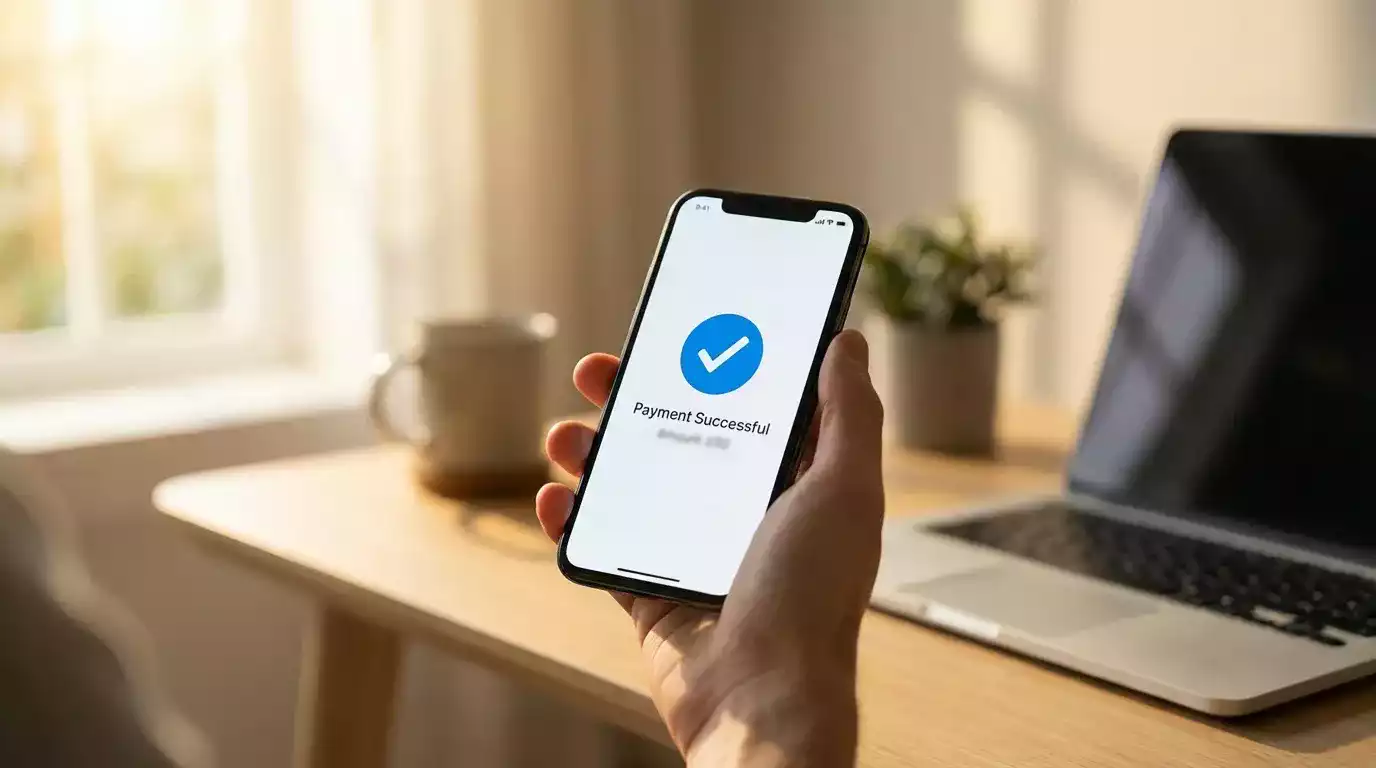
Depositing via PayPal at a UK casino takes seconds. Select PayPal as your payment method, enter the amount, and you’re redirected to PayPal to log in and confirm. The funds transfer instantly to your casino balance. No card numbers entered at the casino, no waiting for processing.
Your PayPal account must have funds available or a linked funding source—a bank account or card that PayPal can draw from. If your PayPal balance is insufficient, PayPal pulls the difference from your linked source automatically. This happens seamlessly but means your bank or card ultimately funds the deposit.
Withdrawals to PayPal are generally the fastest option available. While bank transfers might take 3-5 business days, PayPal withdrawals typically complete within 24 hours—sometimes within hours. The casino processes the withdrawal request, sends the funds to PayPal, and PayPal credits your account. From there, you can spend directly, transfer to your bank, or leave it in PayPal.
Most casinos require you to withdraw via the same method you deposited with, at least up to your deposit amount. If you deposited £100 via PayPal, your first £100 in withdrawals goes back to PayPal. Winnings beyond that may go to alternative methods if you prefer, though many players stick with PayPal for the speed.
Minimum and maximum limits vary by casino. Deposit minimums are typically £10-20; maximums range from hundreds to thousands of pounds per transaction. Withdrawal limits similarly vary. Check the casino’s payment terms for specifics, as these differ between operators.
PayPal transactions appear on your casino account statement immediately. Your PayPal activity shows the casino’s name, which may matter if you’re trying to keep gambling transactions distinct from other spending—or if you’d prefer they weren’t obviously labelled.
Advantages of Using PayPal
Speed is PayPal’s primary advantage. Deposits are instant; withdrawals are among the fastest available. In an industry where bank transfers can take days, getting your money within hours matters. Players who’ve waited five days for a withdrawal appreciate the difference.
Security comes from separation. When you pay via PayPal, the casino never sees your card number or bank details. PayPal acts as an intermediary, holding your financial information and authorising transactions without sharing it. If a casino’s security were compromised, your banking details wouldn’t be exposed.
PayPal’s buyer protection doesn’t apply to gambling transactions specifically, but the general security infrastructure—two-factor authentication, fraud monitoring, dispute processes—provides protection that direct card payments lack. Your PayPal account is secured by PayPal’s systems, not the casino’s.
Account management becomes easier with PayPal as a single hub for gambling payments. Rather than tracking card transactions across multiple casinos, everything flows through one PayPal account. Statements are clear. Spending across sites is visible in one place. For players who use multiple casinos, this consolidation helps with tracking.
Trust signals matter psychologically. Seeing PayPal as a payment option reassures players that the casino has passed external vetting. PayPal’s decision to work with a gambling operator suggests legitimacy beyond just holding a licence. Whether this perception accurately reflects reality, it influences player confidence.
Mobile transactions work seamlessly. The PayPal app integrates with casino deposits, making funding your account from a phone as easy as desktop. For players who gamble primarily on mobile, the smooth experience matters.
No fees apply for most PayPal gambling transactions at UK casinos. The casino absorbs payment processing costs rather than passing them to players. Free deposits and withdrawals are standard.
Limitations and Things to Know
Not every casino accepts PayPal. While most major UK operators do, some smaller sites don’t. PayPal is selective about gambling partnerships, and some casinos choose not to offer it for business reasons. If PayPal is essential to you, verify availability before registering.
Bonuses sometimes exclude PayPal deposits. Some casinos restrict welcome bonuses or promotions to deposits made via specific methods—often cards—while excluding e-wallets including PayPal. The reasoning involves abuse prevention and payment economics. Check bonus terms before depositing if the offer matters to you.
PayPal’s gambling restrictions vary by country. In the UK, PayPal works with licensed gambling operators. In some other countries, PayPal doesn’t permit gambling transactions at all. If you travel or move, your PayPal gambling access might change based on location.
Transaction limits can constrain high-volume players. While adequate for recreational gambling, PayPal’s limits might not suit players depositing or withdrawing very large amounts. VIP players sometimes prefer bank transfers or other methods that accommodate higher values.
Responsible gambling tools at casinos don’t extend to PayPal. If you set deposit limits at a casino, those limits apply to deposits at that casino—but you could still fund a PayPal balance and use it elsewhere. The separation that provides security also means casino-level controls don’t restrict your PayPal account itself.
Currency conversion applies if you’re gambling in a different currency than your PayPal account holds. PayPal’s exchange rates include a margin. For UK players at UK casinos in pounds, this isn’t an issue—but playing at international sites might involve conversion costs.
PayPal accounts can be limited or closed if activity triggers their risk systems. Excessive gambling transactions, disputes, or patterns PayPal considers concerning might result in account restrictions. This is rare for normal use but worth knowing—PayPal isn’t obligated to continue serving gambling customers.
Setting Up PayPal for Casino Use
If you already have a PayPal account, you can use it for gambling immediately. No special setup is required. Simply select PayPal at the casino’s cashier, log in when prompted, and authorise the transaction. Your existing account works for gambling just as it does for any other purchase.
Creating a new PayPal account takes minutes. Visit PayPal’s website, provide your email, create a password, and add personal details. To make deposits, you’ll need to link a funding source—a bank account or debit card. PayPal verifies these links through small test transactions.
Consider keeping your PayPal balance separate from your main banking. You can transfer a gambling budget to PayPal and use only that balance for casino deposits. This creates natural boundaries—when the PayPal balance is gone, it’s gone. You’d have to deliberately transfer more rather than just clicking to deposit from your bank.
Check that your bank doesn’t block gambling transactions. Some UK banks flag or decline payments to gambling merchants. If your bank blocks a transfer to PayPal for gambling purposes, you might need to contact them or use an alternative funding source. Most banks allow it, but restrictions exist at some institutions.
Keep your PayPal credentials secure. Use a strong password, enable two-factor authentication, and don’t share login details. Your PayPal account protects access to your linked bank accounts and cards—security matters.
Review PayPal’s gambling policy periodically. Terms can change. While PayPal currently supports UK gambling, future policy shifts could affect availability. Stay informed about any changes that might impact your payment arrangements.
Speed and Separation
PayPal’s value for gambling comes down to two things: speed and separation. Transactions happen fast—deposits instantly, withdrawals within hours rather than days. And a layer exists between your bank and the casino, providing security and psychological distance that direct payments don’t offer.
The speed matters practically. When you want to play, instant deposits mean immediate access. When you win and want your money, fast withdrawals mean you’re not waiting days wondering if the casino will actually pay. The reduced friction in both directions improves the experience.
The separation matters for both security and control. Your bank details stay with PayPal, not scattered across multiple casino databases. And having gambling payments flow through a distinct channel makes tracking easier and helps some players maintain clearer boundaries around gambling spending.
PayPal isn’t perfect for gambling. Bonus exclusions, deposit limits, and the possibility of account restrictions create limitations. Not every casino accepts it. The advantages must be weighed against these constraints for your specific situation.
For most UK players, PayPal represents the most practical e-wallet option for casino payments. It’s widely accepted, genuinely fast, reasonably secure, and requires no special setup if you already have an account. The popularity isn’t accidental—the method delivers real benefits that players value.
Whether PayPal suits your gambling depends on your priorities. If speed and separation matter, it’s probably your best option. If bonus eligibility or very high limits matter more, alternatives might serve better. The choice is yours, and PayPal gives you a solid option to choose from.