What a UKGC Licence Actually Means
Every legitimate gambling site operating in Great Britain carries a licence from the UK Gambling Commission. This isn’t a formality or a badge operators buy for credibility. It’s a legally binding agreement that subjects the operator to one of the most demanding regulatory frameworks in the world.
The UKGC licence tells you several things at once. First, the operator has passed background checks on its ownership, management, and financial stability. Second, it has demonstrated that its games are fair and its systems secure. Third—and this matters most when something goes wrong—it has committed to protecting your funds and resolving disputes through approved channels.
For players, the distinction between licensed and unlicensed sites isn’t abstract. If a UKGC-licensed casino refuses a legitimate withdrawal, you have recourse through alternative dispute resolution services that the Commission mandates. If an unlicensed offshore site does the same, your options range from limited to nonexistent. The licence creates accountability.
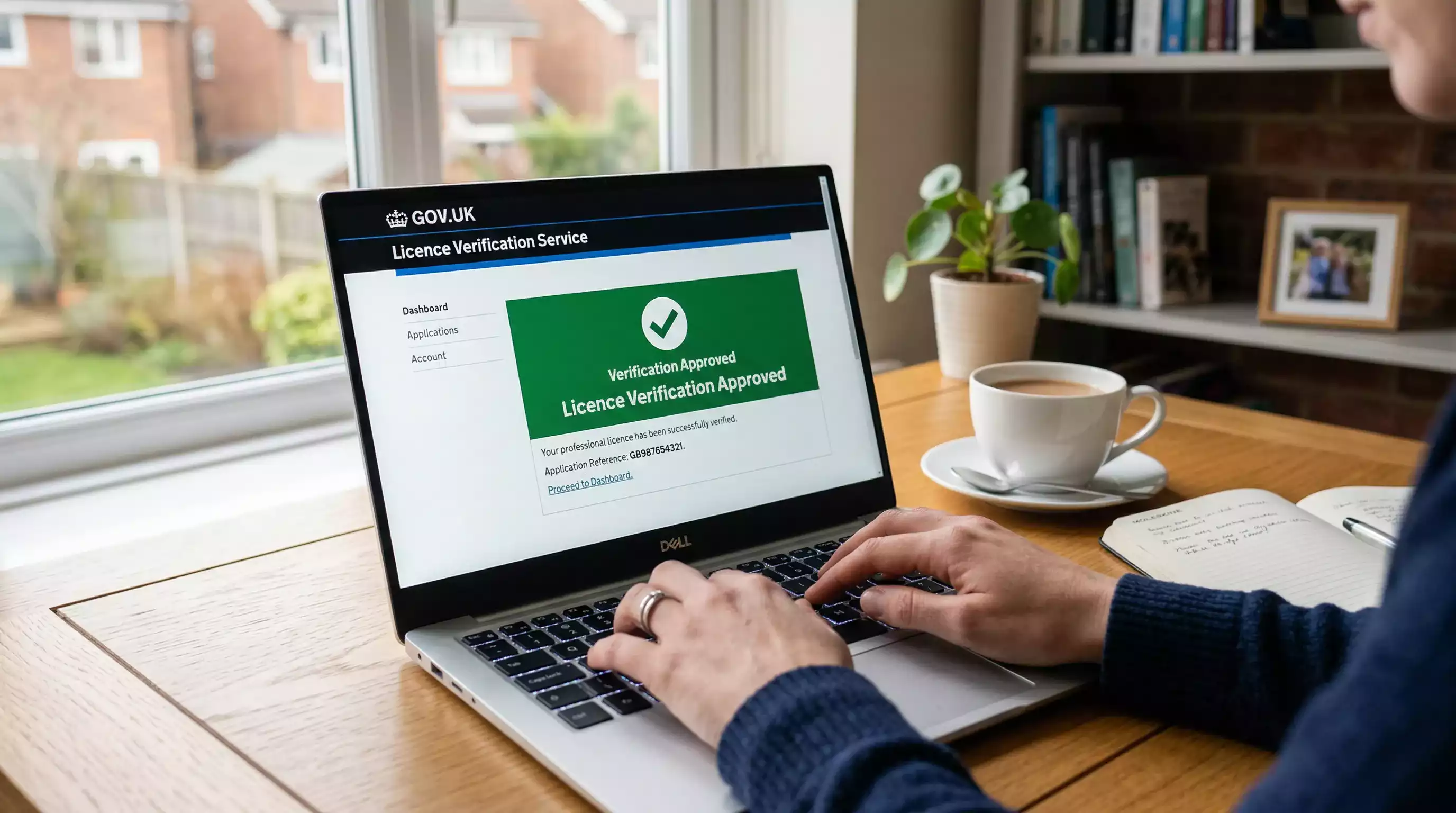
The Commission publishes a searchable register of every operator it has licensed. Anyone can verify whether a site holds a valid licence in under a minute. This transparency is deliberate: regulators want players to check, and they’ve made checking easy. The question isn’t whether you can verify a site’s licence status—it’s whether you bother to do so before depositing.
The Licensing Process for Operators
Obtaining a UKGC licence is neither quick nor cheap. The Commission designed it that way. Operators must demonstrate competence and integrity before they’re allowed to take a single bet from a British customer.
The application process begins with detailed documentation. Operators submit information about their corporate structure, beneficial owners, key personnel, and funding sources. The Commission runs background checks on everyone in a position of control—directors, significant shareholders, and senior managers. A criminal record doesn’t automatically disqualify someone, but undisclosed convictions or associations with organised crime certainly do.
Financial requirements come next. Operators must show they have sufficient resources to cover player balances and operate sustainably. The Commission isn’t interested in licensing businesses that might collapse in six months, leaving players unable to withdraw their funds. Applicants provide audited accounts, business plans, and evidence of financial reserves.
Technical standards form the third pillar. Games must use certified random number generators. Player accounts need robust security measures. The operator’s responsible gambling tools must meet specific requirements before launch. The Commission reviews the software, the systems, and the policies.
Application fees vary by licence type and projected revenue, but even the smallest remote casino licence costs thousands of pounds upfront, with annual fees on top. Large operators pay substantially more. These costs filter out speculative ventures and undercapitalised operations—exactly as intended.
The entire process typically takes three to six months, sometimes longer if the Commission requests additional information. Applicants who cut corners or provide incomplete documentation face delays or rejection. There’s no fast-track option for those willing to pay more.
Licence Types and What They Cover
The UKGC doesn’t issue a single, universal gambling licence. Instead, operators apply for specific licences matching their intended activities. A company wanting to offer sports betting, casino games, and poker needs separate permissions for each.
Remote operating licences—the category covering online gambling—come in several varieties. A remote casino operating licence permits slots, table games, and other casino products. A remote betting licence covers sportsbooks and exchange betting. Remote bingo and remote lottery licences exist for those specific verticals. Operators often hold multiple licences simultaneously.
There’s also a distinction between B2C (business-to-consumer) and B2B (business-to-business) licences. The casino you play at holds a B2C licence. The software company that supplies their games holds a B2B licence. Both are regulated, but with different requirements reflecting their different roles in the supply chain.
Personal licences add another layer. Key individuals within licensed operators—the people making decisions that affect players—must hold personal management licences. This creates individual accountability alongside corporate responsibility. If a company behaves badly, the Commission can pursue action against the business and the people running it.
Licence conditions vary based on the operator’s activities and risk profile. A small bingo site faces different requirements than a large sportsbook with thousands of daily customers. The Commission can attach specific conditions to any licence, requiring particular measures beyond the standard rules. These might address concerns identified during the application process or respond to issues that emerged during operation.
Understanding these distinctions helps explain why some gambling sites offer certain products and not others. They’re limited to what their licences permit.
How the Commission Monitors Compliance
Licensing is just the beginning. The Commission maintains ongoing oversight of every operator it authorises, using a combination of routine monitoring, targeted assessments, and reactive investigations.
Operators submit regular returns detailing their activities: player numbers, revenue, complaints received, self-exclusion requests processed. These reports let the Commission track trends across the industry and flag operators whose numbers look unusual. A sudden spike in complaints or an unexplained drop in self-exclusion uptake triggers closer scrutiny.
Compliance assessments go deeper. Commission staff review operator systems, interview key personnel, and test whether policies exist on paper actually function in practice. These assessments might be routine—part of a rolling programme covering all licensees—or targeted in response to specific concerns. Operators don’t always know which type they’re receiving.
The Commission also acts on intelligence from other sources. Player complaints, whistleblower reports, media coverage, and information shared by other regulators all feed into enforcement decisions. A gambling site might operate smoothly for years before a single complaint reveals systematic problems that were invisible in the aggregate data.
When the Commission finds failures, it has graduated enforcement options. Minor issues might result in advice or warnings. Serious breaches lead to formal regulatory action: licence reviews, financial penalties, additional conditions, or in extreme cases, licence revocation. The penalties can be substantial. In recent years, the Commission has issued fines exceeding £10 million against operators who failed to prevent money laundering or protect vulnerable customers.
Public enforcement notices serve a secondary purpose. By publishing details of failures and penalties, the Commission signals to the entire industry what it considers unacceptable. Other operators adjust their own practices accordingly—or risk similar consequences.
Checking a Site’s Licence Yourself
Verifying a gambling site’s licence takes less time than reading this section. The Commission maintains a public register at gamblingcommission.gov.uk that anyone can search without creating an account.
Start by finding the licence number on the gambling site itself. Legitimate operators display this information in their footer, usually alongside responsible gambling logos. The number typically appears as a six-digit figure, sometimes preceded by account type indicators. If you can’t find a licence number displayed anywhere on the site, that’s already a warning sign.
Enter that number into the Commission’s register search. The results show the licence holder’s legal name (which may differ from the brand name), the types of licences held, and crucially, the current status. You’re looking for “Active” status. Anything else—suspended, revoked, surrendered—means the operator shouldn’t be accepting bets from British customers.
Cross-reference what you find. Does the legal entity name on the register match the company information in the site’s terms and conditions? Do the licence types cover the activities the site offers? A site advertising casino games under a licence that only permits sports betting is operating outside its permissions.
The register also shows any regulatory actions taken against the operator. While past issues don’t necessarily predict future problems—operators do improve—a history of enforcement actions suggests the Commission has had concerns. Weigh this information as you would any other factor in choosing where to play.
This verification process works for any gambling site targeting UK customers. If a site claims to be licensed but doesn’t appear on the register, it isn’t licensed. Full stop.
Trust Starts with a Number
The UKGC licensing system isn’t perfect. Enforcement actions prove that licensed operators sometimes fail their obligations. Regulatory resources are finite, and problems occasionally persist longer than they should. But the framework provides something essential: a basis for accountability that doesn’t exist with unlicensed alternatives.
When you play at a licensed site, you’re participating in a regulated market. Your funds receive specific protections. Dispute resolution mechanisms exist. The operator has something to lose—its licence—if it treats customers badly enough for the regulator to notice. None of these safeguards apply at offshore sites operating outside British jurisdiction.
The licence number in a site’s footer represents more than regulatory compliance. It represents a traceable connection to an enforcement authority that can and does take action against operators who break the rules. That six-digit number is your starting point for due diligence.
Checking takes thirty seconds. The consequences of not checking—depositing money with an unlicensed operator that vanishes or refuses withdrawals—last considerably longer. Every legitimate gambling site in Great Britain carries a verifiable UKGC licence. The sites that don’t have one aren’t legitimate, regardless of how professional their homepage looks.
Trust, in gambling, begins with verification. The Commission has made verification straightforward. The rest is up to you.