Why Casinos Need to Know Who You Are
KYC—Know Your Customer—verification is a legal requirement, not casino bureaucracy. UK gambling regulations mandate that operators verify the identity of their customers. This prevents money laundering, ensures players are of legal gambling age, and enables self-exclusion systems to function. Casinos don’t verify players because they want to; they do it because they must.
The requirements flow from anti-money laundering legislation and Gambling Commission licence conditions. Operators who fail to verify adequately face serious consequences—fines, licence conditions, or worse. The scrutiny you experience as a player reflects regulatory pressure the casino cannot avoid.
Verification typically occurs before your first withdrawal. You can usually register, deposit, and play without completing KYC. But when you try to withdraw winnings, the casino must verify who you are before releasing funds. This timing surprises some players who didn’t expect document requests when trying to cash out.
Some casinos verify earlier—at registration or after certain deposit thresholds. Regulatory changes have pushed verification earlier in the player journey. You might face document requests sooner than you expect, even before attempting to withdraw.
Understanding KYC helps you navigate it smoothly. The process is standardised across UK casinos; the same documents work everywhere. Preparing appropriately and submitting clearly means verification completes quickly. Approaching it as a one-time administrative task—rather than an obstacle—makes the experience less frustrating.
What Documents You Need
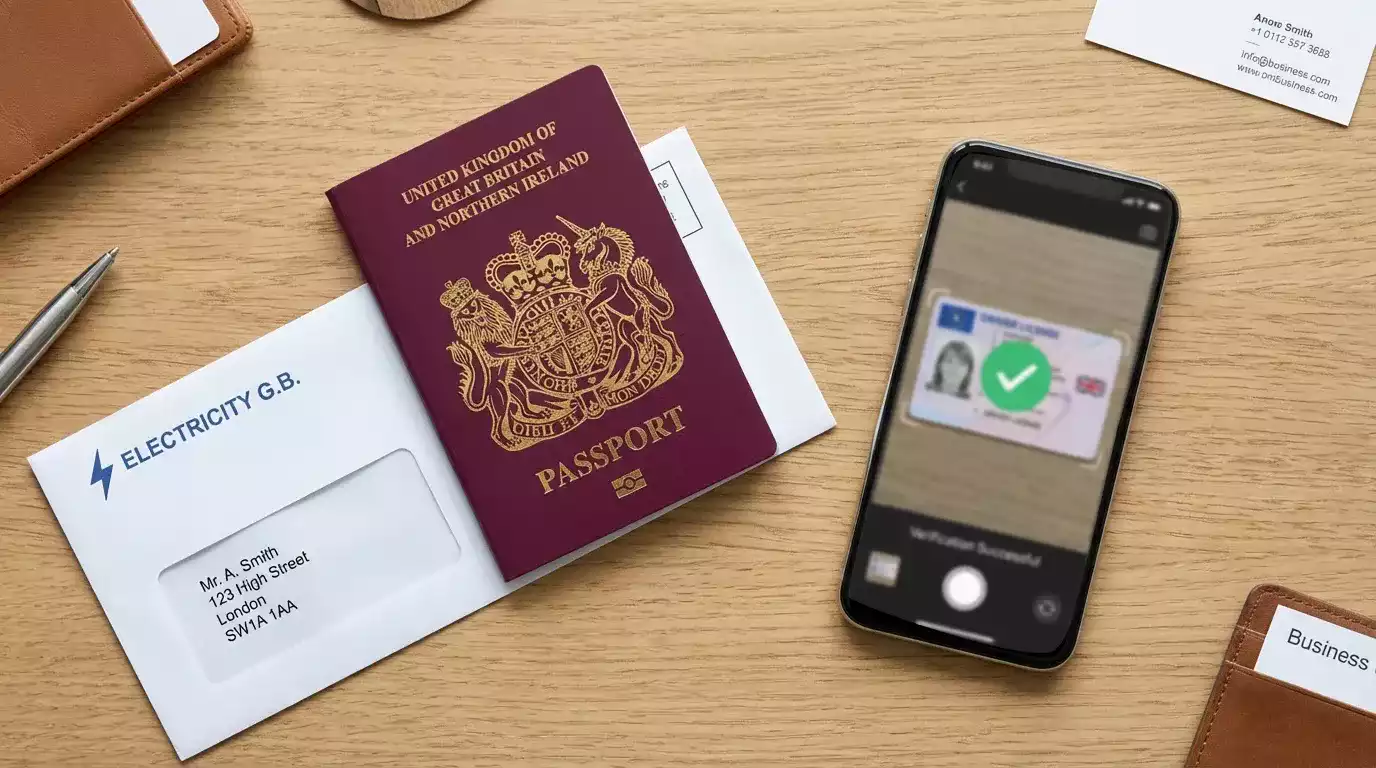
Proof of identity confirms you are who you claim to be. Acceptable documents typically include a passport, driving licence (photocard), or national identity card. The document must be current—not expired—and show your full name, date of birth, and photograph. One identity document usually suffices.
Proof of address confirms where you live. Utility bills (gas, electric, water), bank statements, or council tax statements work at most casinos. The document must be recent—typically within the last three months—and show your name and address matching your account registration. Mobile phone bills sometimes aren’t accepted; check what the specific casino requires.
Proof of payment verifies your deposit method. If you deposited by card, you might need to provide a photo of the card showing your name and the last four digits. If you used an e-wallet, a screenshot showing your name and account details might be required. This confirms the payment method belongs to you.
Source of funds documentation applies in specific circumstances. Large deposits, unusual patterns, or high-volume play might trigger requests for payslips, tax returns, bank statements showing income, or other evidence that your gambling funds come from legitimate sources. This enhanced verification isn’t routine but applies when casinos are required to investigate further.
Document formats matter. Most casinos accept scanned copies, clear photographs, or screenshots. The entire document must be visible—all four corners, no cropping, no editing. High resolution helps; blurry images get rejected. Some casinos specify acceptable file types (JPEG, PNG, PDF) and size limits.
Keep digital copies of your verification documents readily available. You’ll use them across multiple casinos and potentially need to resubmit if documents expire or change. A folder of clear, compliant document images saves time when verification requests arise.
The Verification Process Step by Step
Verification requests arrive via email or appear when you attempt to withdraw. The casino specifies which documents they need—usually identity, address, and sometimes payment method. Instructions explain submission methods: upload through your account, email to a verification address, or sometimes postal mail.
Uploading through your casino account is typical. Navigate to the verification section (often under account settings or responsible gambling), select the document type, and upload your file. The interface guides you through each required document. Confirmation appears when uploads complete successfully.
Processing time varies by casino. Automated systems can verify documents within minutes using optical character recognition and database checks. Manual review takes longer—24 to 72 hours is common, though some casinos take longer during busy periods. The casino should provide estimated timeframes.
Approval means verification is complete. Your withdrawal processes; future withdrawals proceed without repeating the process. You might receive email confirmation of successful verification. Your account status should update to reflect verified status.
Rejection means something was wrong with your submission. Common reasons include: document expired, image unclear, information doesn’t match account details, document type not accepted, or file format/size issues. The casino should explain what went wrong. Submit corrected documents and the process restarts.
Additional document requests sometimes follow initial verification. Enhanced checks might require source of funds or other documentation beyond the basics. These requests can feel intrusive but are often regulatory requirements the casino must fulfil. Cooperation is faster than resistance.
Once verified, your status persists unless something changes. New address, expired passport, or triggered checks might require updates. But routine play at a verified account proceeds without repeated verification demands.
Common Problems and How to Avoid Them
Unclear images cause the most rejections. Photos taken in poor lighting, at angles, or without steady hands produce unusable submissions. Place documents on a flat surface in good light. Hold your phone directly above, parallel to the document. Check the result before uploading—can you read all text clearly?
Cropped or cut-off documents fail verification. The entire document must be visible, including edges. Don’t zoom in on just your name or the relevant section. Verifiers need to see the complete document to confirm authenticity. Photograph or scan the whole thing.
Expired documents aren’t valid for verification. Check expiry dates before submitting. If your passport expired last month, it won’t work. Renew expired documents or use alternatives that remain current.
Mismatched information creates complications. Your casino account name must exactly match your identity documents. If you registered as “Bill Smith” but your passport says “William Smith,” verification fails. Use your full legal name when registering. Address discrepancies cause similar problems—register with the address that appears on your proof of address documents.
Using someone else’s documents is fraud. Submitting a partner’s or family member’s documents to verify your account violates terms and potentially laws. Casinos must verify the actual account holder, not someone convenient. Don’t attempt this; it won’t work and could have serious consequences.
Obscuring information causes rejection. You might think you’re protecting privacy by covering irrelevant parts of documents, but verifiers need to see complete documents. Don’t black out, cover, or digitally obscure any portion of submitted documents.
Delayed response extends delays. If the casino requests additional information or clarification, respond promptly. Waiting days to address their query adds days to verification. Check your email and casino account messages; respond quickly when requests arrive.
Completing Verification Smoothly
Verify proactively before you need to. Don’t wait for withdrawal requests to trigger verification. Complete the process immediately after registration, before playing. Many casinos allow—and encourage—upfront verification. The time invested then saves delay later.
Prepare documents in advance. Have digital copies of your passport or licence, a recent utility bill, and photos of your payment methods ready in a folder. When any casino requests verification, you can submit immediately rather than hunting for documents.
Register with your legal name exactly as it appears on your ID. No nicknames, no shortened versions, no informal variations. Match the name format precisely. This prevents mismatches that complicate verification.
Use your current address—the one appearing on recent bills and statements. If you’ve moved recently, ensure your address documents reflect your new location. Verification requires consistency between registration data and document evidence.
Read the casino’s specific verification requirements. While standardised, requirements vary slightly between operators. Check what documents they accept, what formats they want, any specific instructions. Following their guidelines exactly reduces rejection risk.
Keep file sizes reasonable. High-resolution photos produce large files that might exceed upload limits. If your files are too large, reduce resolution or compress them while maintaining readability. Most verification systems have file size limits.
Retain confirmation of successful verification. Screenshot the verified status in your account. Save any confirmation emails. If disputes arise later about verification timing or completion, this evidence proves your status.
Expect periodic reverification. Document expiration, address changes, or regulatory requirements might prompt future verification requests even at previously verified accounts. The process becomes routine rather than exceptional with experience.
Verification as Protection
KYC verification feels like bureaucratic hassle, but it serves purposes that benefit players. Identity verification prevents criminals from using gambling sites for money laundering. Age verification keeps minors from gambling. Self-exclusion systems like GamStop rely on verified identity to block excluded players. The inconvenience supports a safer gambling environment.
Verification also protects you specifically. Confirmed identity means the casino knows who to pay. If someone tried to access your account fraudulently, verification requirements create obstacles. Your winnings are tied to your verified identity, not just an email address anyone could claim.
The process has improved. Automated verification systems reduce processing time from days to hours or minutes. Document upload interfaces are more user-friendly. Casinos understand that verification friction drives customers away and have streamlined where possible within regulatory constraints.
Resistance is counterproductive. Refusing verification means you can’t withdraw. Incomplete submission delays your money. Arguing about requirements doesn’t change regulations. The fastest path to your winnings runs through complete, compliant verification submission.
Think of verification as account setup rather than withdrawal obstacle. Complete it early, do it once, and forget about it. Verified accounts withdraw smoothly; unverified accounts create unnecessary delays at the worst possible moment—when you have winnings waiting.
Every legitimate UK casino requires verification. If a site claims you don’t need to verify, either they’re not actually UK-licensed or they’re not following the rules. Verification is the regulatory standard. Sites that skip it are sites worth avoiding. The process you find annoying is actually a signal of legitimacy—proof that the operator takes compliance seriously enough to enforce requirements the law demands.