

Moving Money at UK Gambling Sites
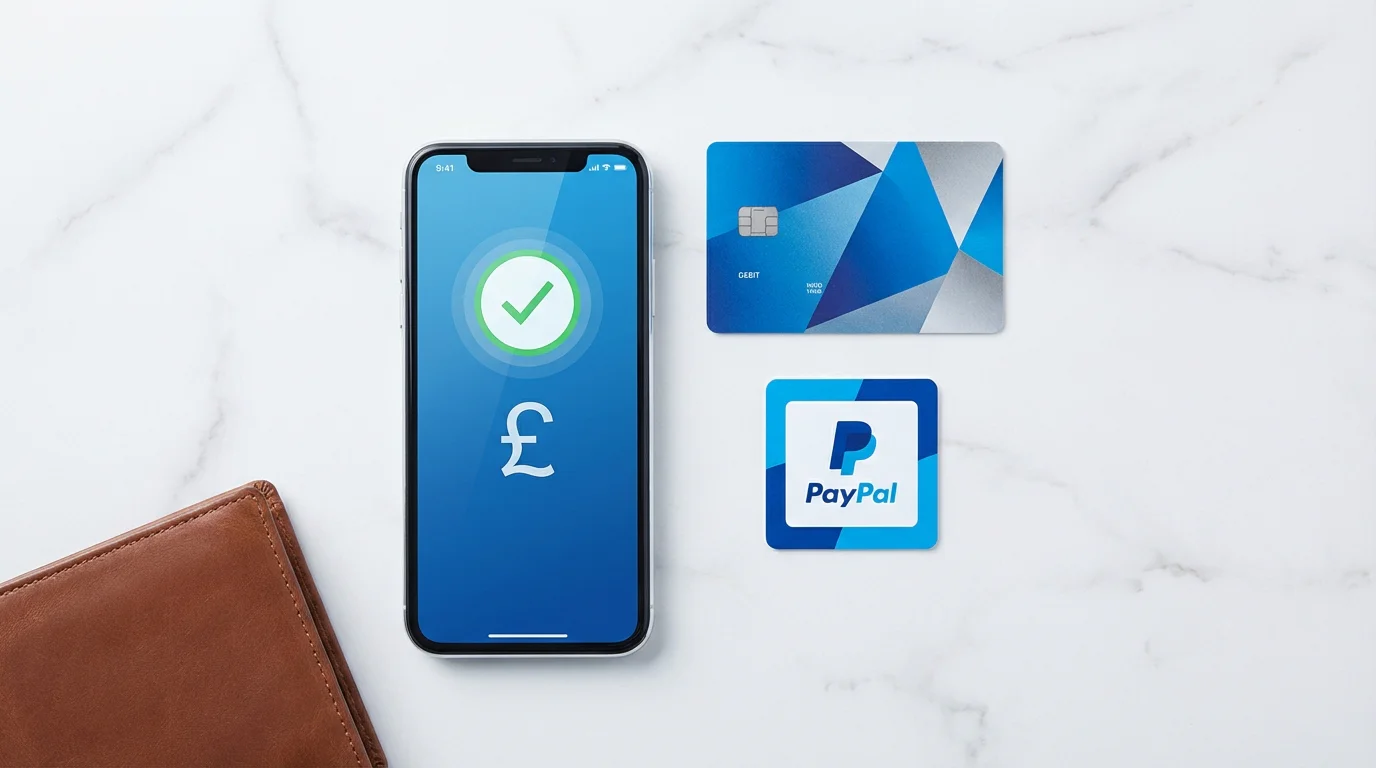
Payment methods affect more than convenience—they impact speed, limits, and bonus eligibility. How you deposit and withdraw at UK gambling sites involves choices that shape your playing experience. Some methods offer instant deposits and rapid withdrawals. Others impose waiting periods or transaction limits. Certain payment options exclude you from bonus offers entirely. Understanding these differences lets you choose the approach that fits your priorities.
UK gambling sites offer a range of payment options reflecting both traditional banking methods and newer financial services. Debit cards remain the most widely used option, accepted virtually everywhere. E-wallets like PayPal, Skrill, and Neteller provide alternatives with different speed and privacy characteristics. Bank transfers suit players preferring direct account connections. Prepaid cards offer spending control for those who want hard limits on their gambling budget.
What UK sites won’t accept is also important. Since April 2020, credit card gambling has been banned across all UKGC-licensed operators. Cryptocurrency remains largely unavailable at regulated sites. These restrictions reflect regulatory judgments about payment methods that might facilitate harm or present particular risks to players. The result is a payment landscape that’s reasonably diverse but distinctly different from what you might encounter at offshore or international gambling sites.
Debit Cards: The Standard Option
Visa and Mastercard debit cards work at virtually every UK gambling site. If you have a UK bank account with a debit card, you have a payment method accepted across the entire regulated market. The ubiquity of card acceptance makes debit cards the default choice for many players, requiring no additional account setup or service registration.
Deposits via debit card process instantly in almost all cases. Enter your card details, confirm the amount, and funds appear in your gambling account within seconds. Most sites allow you to save card details for future transactions, making subsequent deposits even faster. Card deposits don’t typically incur fees from the gambling site, though your bank might treat gambling transactions differently from regular purchases in some cases.
Withdrawal speeds represent the main limitation of debit card payments. While deposits are instant, withdrawals typically take one to three business days to reach your account. The delay results from banking system processing times and the operator’s own internal procedures. Some sites have implemented Visa Fast Funds or similar rapid payment rails that can deliver card withdrawals within hours rather than days, though availability varies by operator and not all UK banks support these faster options.
Transaction limits for card payments generally sit high enough to accommodate most players. Minimum deposits typically range from £5 to £10. Maximum deposits often reach £10,000 or more per transaction, with daily limits that accommodate significant activity. Withdrawal maximums are usually substantial, though very large wins may require multiple withdrawals or alternative payment arrangements. Your card’s own limits also apply—a daily spending limit on your debit card will restrict gambling deposits just as it would any other purchase.
The Credit Card Ban Explained
Since April 2020, you cannot gamble with a credit card in the UK. The ban covers all UKGC-licensed gambling sites, preventing both deposits and purchases made directly with credit cards. The regulation reflected evidence that credit card gambling correlated with gambling harm—borrowing money to gamble, accumulating debt through gambling activity, and funding continued play with credit rather than disposable income.
The ban applies specifically to gambling transactions, not to cards themselves. Your credit card continues to work for non-gambling purchases. The restriction operates through a combination of blocking at the gambling site level and transaction category codes that allow card issuers to decline gambling transactions. Attempting to deposit with a credit card at a UK gambling site will result in the transaction being rejected.
Some players have attempted workarounds, such as using credit cards to fund e-wallets which then fund gambling accounts. Operators must take reasonable steps to prevent such circumvention, and using intermediary services specifically to evade the credit card ban violates the spirit of the regulation even if technically possible in some cases. The practical reality is that sustainable UK gambling requires using your own money rather than borrowed funds—a restriction that, while inconvenient for some, serves protective purposes.
PayPal: Fast and Widely Accepted
PayPal offers speed and an extra layer of account separation. The payment service has become one of the most popular e-wallet options at UK gambling sites, combining widespread acceptance with fast processing and a familiar interface. For players who prefer not to share card details directly with multiple gambling sites, PayPal provides an intermediary layer.
Deposits via PayPal process instantly, functioning similarly to card payments but routing through your PayPal balance or linked bank account rather than directly from your card. The gambling site sees only your PayPal transaction, not your underlying bank or card details. This separation appeals to players who value privacy or simply prefer managing gambling transactions through a dedicated service.
Withdrawals are where PayPal particularly shines. Many UK gambling sites process PayPal withdrawals within hours rather than days—sometimes within minutes for established players with verified accounts. The speed advantage over card withdrawals can be substantial, making PayPal attractive for players who value quick access to their funds. Once money reaches your PayPal account, transferring it to your bank typically takes an additional one to two business days, though instant transfer options exist for a small fee.
PayPal requires account matching between your gambling account and your PayPal account. The name and address on both must correspond, preventing deposits from or withdrawals to third-party accounts. If you register a gambling account under your own details but attempt to pay via someone else’s PayPal, the transaction will fail or be flagged for review. This requirement aligns with anti-money laundering standards that apply across the industry.
Not every UK gambling site accepts PayPal—the payment service is selective about which gambling operators it works with. Major licensed sites typically offer PayPal, but smaller operators or those with compliance issues may lack access. Checking PayPal availability before registering makes sense if it’s your preferred payment method.
E-Wallets: Skrill, Neteller and Alternatives
E-wallets offer privacy and speed—with some trade-offs. Beyond PayPal, services like Skrill and Neteller have established themselves as gambling-focused payment options. Both were founded specifically to serve online gambling payments and remain popular despite the emergence of newer alternatives. They function similarly to PayPal: create an account, fund it from your bank or card, then use it for gambling transactions.
Skrill and Neteller offer particularly fast withdrawals at many sites, often processing within 24 hours and sometimes much faster. Their long association with gambling means operators have established efficient processing relationships. Deposits are instant. The services support multiple currencies, useful for players who gamble at sites based in different jurisdictions.
The significant trade-off with Skrill and Neteller involves bonus eligibility. Many UK casinos exclude deposits made via these services from welcome bonuses and promotional offers. The exclusion reflects concerns about bonus abuse—e-wallets make it easier to manage multiple accounts or engage in arbitrage strategies that operators want to discourage. If claiming bonuses matters to you, check whether Skrill and Neteller deposits qualify before using them for your initial deposit.
Fee structures also deserve attention. While deposits to gambling sites are typically free, Skrill and Neteller may charge fees for funding your e-wallet account or withdrawing to your bank. These fees can erode the value of smaller transactions. Revolut and similar banking apps have emerged as alternatives, offering e-wallet-like convenience without some of the fees or bonus exclusions, though their acceptance at gambling sites is less universal than traditional e-wallets.
Bank Transfers and Open Banking
Direct bank transfers are getting faster with Open Banking. Traditional bank transfers have long been available at UK gambling sites, offering a method that doesn’t require any intermediary service—money moves directly between your bank account and the operator. Historically, this option involved slower processing compared to cards or e-wallets, but technological developments have changed the landscape.
Faster Payments now enables bank transfers to complete within minutes rather than days. Most UK banks participate in the Faster Payments system, meaning transfers between accounts typically process almost instantly. For gambling deposits, this means bank transfers can rival card payments for speed while offering the benefits of direct account access without card details changing hands.
Open Banking services take this further. PayByBank and similar providers allow you to initiate payments directly from your bank account through secure APIs, authenticating via your banking app without entering card details or creating separate service accounts. The payment completes instantly, appearing in your gambling account as quickly as a card deposit would. This approach combines the speed of card payments with the account separation of e-wallets.
Bank transfers often carry higher maximum limits than card payments, making them suitable for players who want to move larger amounts. Withdrawal times via bank transfer typically run two to five business days at most sites, slower than e-wallets but comparable to card withdrawals. The directness of bank transfers—no intermediary, no additional account—appeals to players who prefer straightforward financial arrangements.
Prepaid Cards: Budget Control Built In
Paysafecard and prepaid options limit spending by design. Prepaid cards and vouchers require you to purchase credit in advance, creating a natural ceiling on gambling expenditure. You can only deposit what you’ve already loaded or bought—there’s no option to exceed that amount in the heat of a session. For players who want hard budget limits enforced at the payment level rather than relying on gambling site controls, prepaid options deliver structural discipline.
Paysafecard is the most widely accepted prepaid option at UK gambling sites. You purchase vouchers at retail locations—newsagents, convenience stores, and similar outlets—receiving a 16-digit PIN that serves as your payment credential. Enter the PIN when depositing, and the voucher value transfers to your gambling account. No bank account or card details involved, no paper trail in your banking records beyond the initial cash purchase.
The obvious limitation is that prepaid cards work only for deposits. You cannot withdraw winnings to a Paysafecard voucher. Withdrawals must use an alternative method—typically bank transfer or, if you have one registered, a card or e-wallet. This creates an asymmetry that suits some players and frustrates others. If your goal is purely budget control on the deposit side, prepaid cards serve that purpose. If you want a single payment method handling both directions, look elsewhere.
Maximum deposit amounts through prepaid services tend to run lower than cards or bank transfers, typically capped at a few hundred pounds per transaction. This limitation reinforces the budget-control purpose but makes prepaid options impractical for players who want to move larger amounts. For small-stakes recreational gambling with strict spending limits, prepaid methods work well. For anything else, they function better as supplements than primary payment methods.
Cryptocurrency: Limited at UKGC Sites
Crypto gambling is largely an offshore phenomenon. While cryptocurrency casinos exist and actively market to UK players, UKGC-licensed sites rarely accept Bitcoin, Ethereum, or other cryptocurrencies as payment methods. The licensed UK market and the crypto gambling world operate largely separately, with important implications for player protection.
Several factors explain the limited crypto presence at regulated UK sites. Cryptocurrency volatility creates complications for both players and operators—the value of deposits and winnings fluctuates with exchange rates, introducing uncertainty into transaction values. Anti-money laundering compliance becomes more complex with cryptocurrency, where transaction tracing differs from traditional payment methods. The regulatory framework hasn’t adapted to accommodate crypto payments in ways that give operators confidence they can accept them within their licence obligations.
Crypto casinos accessible from the UK are typically licensed in offshore jurisdictions or unlicensed entirely. Playing at these sites means forgoing the consumer protections that UKGC licensing provides: fund protection requirements, mandatory responsible gambling tools, access to ADR for disputes, and recourse to the Gambling Commission for serious complaints. The speed and anonymity that attract some players to crypto gambling come with reduced safeguards and minimal regulatory oversight.
For players committed to UKGC-licensed gambling, cryptocurrency isn’t currently a practical payment option. The conventional methods—cards, e-wallets, bank transfers—remain the available choices. This might change as regulation evolves and crypto payment infrastructure matures, but for now, the two worlds remain largely distinct.
KYC Verification: What to Expect
Identity verification isn’t optional—it’s a legal requirement. KYC stands for Know Your Customer, the process by which gambling operators verify who you are before allowing you to withdraw funds and sometimes before accepting deposits above certain thresholds. This isn’t bureaucratic caution; it’s mandated by anti-money laundering regulations that apply to all UK financial services including gambling.
Typical verification documents include photographic identification (passport, driving licence, or national identity card) and proof of address (utility bill, bank statement, or council tax document dated within the last three months). The ID document confirms your identity matches the name on your gambling account. The address document confirms you live where you claim to—and importantly, that you’re a UK resident eligible to gamble at UK-licensed sites.
Source of funds checks apply when your gambling activity reaches certain levels. If you deposit substantial amounts or win significant sums, operators may ask how you came by the money. Bank statements, payslips, evidence of savings, or documentation of asset sales might be requested. These checks aim to prevent gambling sites being used for money laundering or to identify customers gambling beyond their apparent means. The 2025 regulatory changes introduced frictionless affordability checks at lower thresholds, but enhanced verification still applies at higher levels.
Verification timing affects your experience. Some sites require full verification before your first deposit. Others allow deposits but hold withdrawals until verification completes. A few permit both deposits and initial withdrawals up to certain limits before demanding documents. Completing verification proactively—uploading documents before you actually need to withdraw—speeds up eventual cashouts. Sites typically offer clear upload interfaces in account settings, and most verifications complete within 24 to 48 hours, sometimes faster.
Your first withdrawal will take longer than subsequent ones. The combination of initial verification processing and normal withdrawal procedures means that first cashout might take several days even when using a fast payment method. Once verified, future withdrawals process according to standard timeframes without additional delay. Treat initial verification as an investment in smooth future transactions rather than an obstacle.
Withdrawal Speeds by Payment Method
The payment method you choose determines how fast you get paid. Processing times vary significantly across different withdrawal options, with e-wallets typically outpacing bank and card methods by considerable margins. Understanding these differences lets you choose between immediate access and other priorities like bonus eligibility or payment simplicity.
PayPal withdrawals often process within hours, with some sites completing them in under an hour for verified accounts in good standing. Skrill and Neteller withdrawals similarly run fast, typically within 24 hours and often same-day. These e-wallet options consistently deliver the quickest access to your funds across the UK gambling market.
Debit card withdrawals generally take one to three business days, reflecting the slower settlement processes of traditional card networks. The exact timing depends on both the gambling site’s processing procedures and your bank’s handling of incoming payments. Visa Fast Funds and similar accelerated processing can reduce card withdrawal times to hours rather than days where available, but standard processing remains the norm.
Bank transfers run two to five business days at most sites, the slowest of the mainstream options. The traditional banking system’s settlement procedures simply take time. On the positive side, bank transfers often carry the highest withdrawal limits, making them suitable for large cashouts where speed matters less than moving the full amount in a single transaction.
A pending period applies at most sites before withdrawal processing begins. This window—typically 24 to 72 hours—allows you to cancel the withdrawal and return funds to your gambling balance. It also gives operators time to conduct checks on larger withdrawals. The pending period adds to total wait time regardless of payment method. Some sites offer players the option to waive or reduce pending periods, and VIP programmes often feature shorter waits as a benefit. Factor pending time into your expectations alongside the processing time for your chosen payment method.
Deposit and Withdrawal Limits
Minimum and maximum limits vary by method and site. Every payment method carries limits in both directions, and these limits can affect which methods suit your typical transaction sizes. Understanding the limit structure prevents surprises when you attempt deposits or withdrawals outside the available range.
Minimum deposits typically fall between £5 and £10 regardless of payment method. This low floor ensures accessibility for casual players who want to gamble modest amounts. Some sites set higher minimums for bank transfers, occasionally reaching £20 or more, reflecting the processing costs associated with smaller direct transfers.
Maximum deposits vary more substantially. Card payments might cap at £5,000 to £10,000 per transaction, with daily limits reaching £20,000 or higher. E-wallet maximums depend on your account status with the e-wallet provider as well as the gambling site’s own limits. Bank transfers often permit the highest deposit amounts, suitable for high-volume players who need to move significant sums. VIP programmes at many sites unlock elevated limits for both deposits and withdrawals.
Withdrawal maximums receive particular attention from players with large balances. Standard limits might allow £10,000 per day or £50,000 per month, with progressive jackpot wins or other large payouts sometimes requiring structured withdrawal schedules over extended periods. Check maximum withdrawal terms before playing if winning substantial amounts is among your goals—discovering limitations after a big win creates frustration that reading terms beforehand would have prevented.
Fee structures also merit attention. Most UK gambling sites don’t charge fees for deposits or withdrawals, absorbing payment processing costs as an operating expense. However, your payment provider might impose its own fees—particularly e-wallets, which may charge for funding your account or withdrawing to your bank. Currency conversion fees apply if your account currency differs from your payment method currency. Checking the fee structure on both the gambling site and payment service sides ensures no unexpected charges erode your gambling budget or winnings.
Choosing the Right Payment Method
Match your payment choice to your priorities. No single payment method excels across every dimension—the right choice depends on what matters most to you. Speed, privacy, limits, bonus eligibility, and convenience all factor differently for different players.
If withdrawal speed tops your priorities, PayPal or dedicated e-wallets like Skrill and Neteller deliver the fastest access to your winnings. Accept the trade-off that some bonuses may exclude these methods. If claiming welcome bonuses and ongoing promotions matters, debit cards typically qualify without restriction—accept that withdrawals will take a few days longer. If separating gambling finances from your main bank account appeals, e-wallets provide that compartmentalisation. If hard spending limits matter more than anything else, prepaid options enforce discipline at the structural level.
Many players use multiple methods for different purposes: a debit card for bonus-eligible initial deposits, PayPal for subsequent deposits and faster withdrawals, and bank transfers when larger amounts need moving. The flexibility to switch between methods depending on circumstances offers more control than committing to a single approach for all transactions. Verify which methods a site supports before registering, particularly if a specific option is important to you—not every site offers every method, and discovering your preferred option isn’t available creates unnecessary friction.
For more casino guides visit onlinegamblinguk. Also read our PayPal casinos UK.