

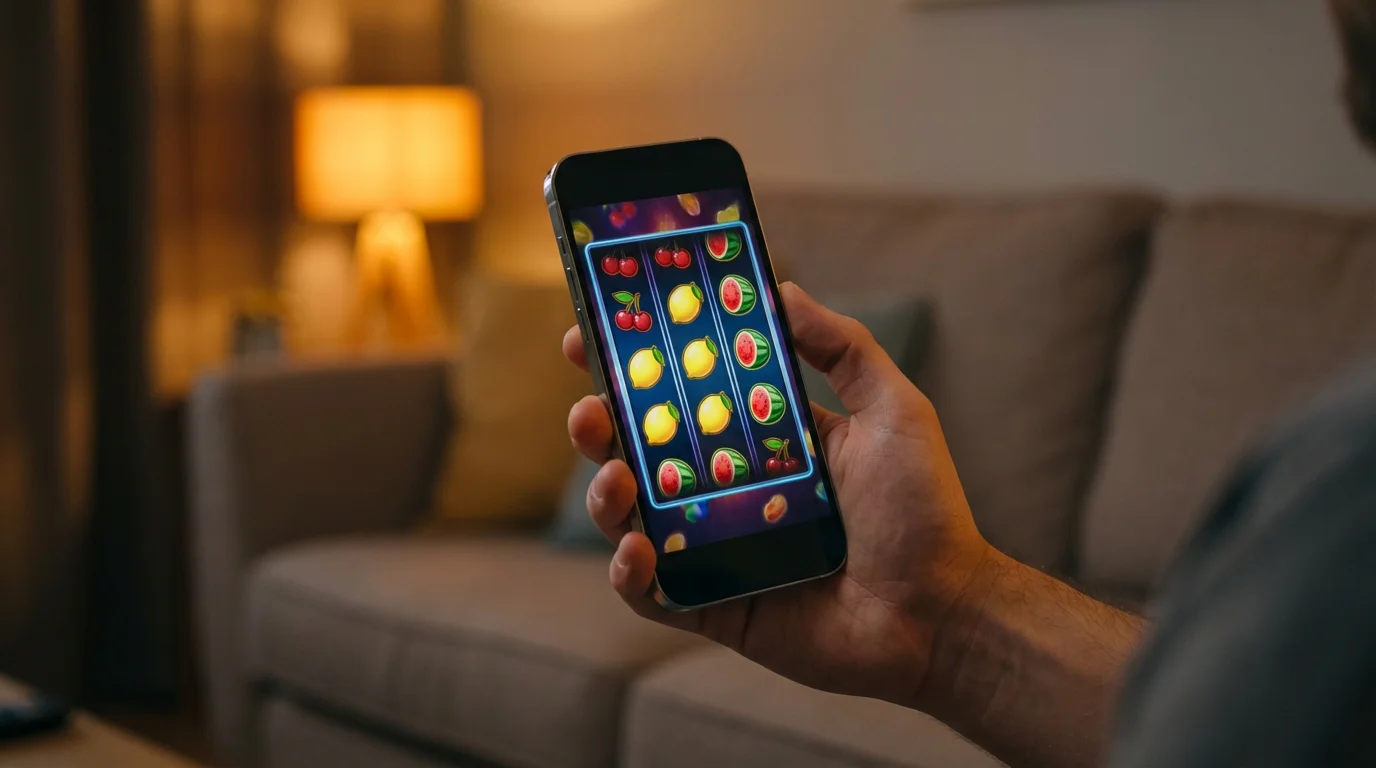
Gambling Moves to Your Pocket
Mobile gambling has become the dominant way UK players access online casinos and betting sites. More than 60% of all online gambling now happens on smartphones and tablets. The shift reflects broader changes in how people use the internet—mobile-first for everything, gambling included.
The convenience is obvious. Your casino account travels with you. Waiting rooms, commutes, lunch breaks, evenings on the sofa—any moment becomes a potential gambling session. No computer required, no specific location needed. The barriers to gambling have never been lower.
This convenience cuts both ways. Easy access makes casual play effortless but also makes compulsive play harder to resist. The same device you use for work emails and family photos becomes a portal to gambling. The integration into daily life that makes mobile gambling convenient also makes it potentially more problematic for vulnerable players.
UK casinos have invested heavily in mobile experiences. Apps and mobile-optimised websites deliver functionality that rivals or exceeds desktop versions. The technological limitations that once made mobile gambling feel compromised have largely disappeared. Playing on your phone isn’t a sacrifice; it’s often the preferred experience.
Understanding how mobile gambling works—apps versus browsers, what games translate well, mobile-specific features and risks—helps you use it effectively. The platform is powerful. How you use it determines whether that power serves you or creates problems.
Apps vs Browser Play
Native apps install on your device from the App Store (iOS) or Google Play (Android). They offer the most integrated experience: push notifications, biometric login, optimised performance, and offline access to some features. Apps feel like a natural part of your phone rather than a website you’re visiting.
Not every casino offers a native app. App store policies—particularly Apple’s historically restrictive approach to gambling apps—created barriers. While those policies have relaxed, many operators still focus on mobile web rather than native apps. The absence of an app doesn’t indicate an inferior casino.
Mobile web browsers access casino sites directly through Safari, Chrome, or other browsers. Modern mobile sites use responsive design that adapts to your screen size, delivering app-like experiences without installation. You can add browser shortcuts to your home screen, making access nearly as convenient as apps.
The practical differences between apps and mobile web have narrowed significantly. Both support full account functionality: registration, deposits, withdrawals, game play, customer support. Both use secure connections. Both access the same games. The experience gap that once separated apps from browsers has largely closed.
Apps offer some advantages: smoother animations, better integration with device features, no address bar consuming screen space. Mobile web offers others: no installation required, automatic updates, storage space preserved, works on any device with a browser.
Your choice between app and browser should follow preference, not perceived necessity. If a casino you like offers an app and you prefer that format, use it. If you prefer browser play or the casino doesn’t offer an app, the mobile site delivers effectively. Neither option is inherently superior for most players.
What Works Well on Mobile
Slots translate perfectly to mobile. The format—a vertically-oriented play area with simple controls—suits phone screens naturally. Spin buttons, bet adjusters, and paytables adapt to touch interfaces without losing functionality. Mobile slot play is often indistinguishable from desktop except for screen size.
Sports betting arguably works better on mobile than desktop. Checking odds, placing bets, and monitoring live matches while watching actual sports fits naturally with phone use. The immediacy of mobile suits in-play betting particularly well. Most major betting activity now happens on mobile devices.
Live casino works but with compromises. The streaming video that makes live dealer games compelling demands screen space and stable connections. Smaller screens mean smaller dealers and harder-to-read cards. Multiple camera angles become cramped. Live casino on mobile is functional but not optimal—a tablet improves the experience significantly over a phone.
Table games face interface challenges. Blackjack, roulette, and baccarat involve betting areas with multiple options. Translating these to small touchscreens requires careful design. Good mobile implementations work well; poor ones frustrate with misplaced taps and unclear layouts. Try before committing significant play.
Poker on mobile has limitations. The complexity of multi-table tournaments, reading multiple opponents, and managing detailed statistics strains small screens. Casual poker works; serious grinders typically prefer larger displays.
Bingo suits mobile well—simple gameplay, clear number displays, auto-daub features that handle marking automatically. The social chat elements integrate with mobile interaction patterns players already use elsewhere.
Game quality varies between casinos. Some invest heavily in mobile optimisation; others offer functional but mediocre mobile experiences. Testing games before depositing reveals how well a specific casino’s mobile implementation meets your expectations.
Mobile-Specific Considerations
Data usage matters if you’re not on WiFi. Slot games use modest data; live casino streaming consumes substantially more. Playing live roulette over mobile data for an hour could use gigabytes. Know your data plan limits and connect to WiFi for data-heavy activities.
Battery drain accompanies extended play. Screens running constantly, processors working, data connections active—mobile gambling consumes battery faster than casual phone use. Longer sessions need power access or a charged device. Running out of battery mid-session creates obvious problems.
Connection stability affects experience. Dropped connections during play can cause confusion about bet outcomes. Live dealer games become unwatchable on unstable connections. The casino’s systems generally protect against losses from disconnection, but the experience degrades significantly on poor connections.
Screen size creates both advantages and limitations. Focused attention on a small screen can enhance immersion—no distracting browser tabs or desktop clutter. But seeing game details, reading terms, and navigating complex interfaces becomes harder. Know when to switch to a larger screen for tasks that require it.
Notifications can drive play. Casino apps often push promotional notifications—bonus offers, new games, “we miss you” messages. These prompts can encourage gambling you hadn’t planned. Disable notifications if they create unwanted temptation, or manage them actively rather than letting them drive behaviour.
Device security matters for gambling accounts. Your phone contains access to your casino account, your deposit methods, potentially your personal documents. Screen locks, biometric security, and careful app permissions protect against unauthorised access. Losing an unlocked phone with casino apps installed creates real risks.
Responsible gambling tools work on mobile. Deposit limits, time-outs, and self-exclusion apply regardless of device. Set them up on mobile just as you would on desktop. The tools exist; the platform doesn’t change their availability or importance.
Making Mobile Gambling Work for You
Test mobile experiences before committing. Create accounts, try demo games, navigate the interface. The mobile version of a casino might differ significantly from desktop screenshots or descriptions. Hands-on testing reveals whether a specific casino’s mobile implementation meets your standards.
Consider when and where you gamble. Mobile’s convenience means you can gamble anywhere—but should you? Gambling in contexts where you can’t fully concentrate, where you’re emotionally compromised, or where the activity is inappropriate creates risks that desktop gambling at home doesn’t. The ability to play anywhere doesn’t mean you should.
Use mobile’s convenience for responsible gambling tools. Setting deposit limits takes the same few minutes on mobile as desktop. Do it from your phone when you think of it rather than waiting until you’re at a computer. The accessibility that enables easy play also enables easy protection.
Manage notifications deliberately. If you want alerts about specific promotions, enable relevant notifications. If any notification risks triggering unwanted gambling, disable them entirely. Don’t let default settings control your relationship with gambling apps.
Maintain perspective on session length. Time passes differently when gambling on a phone—you might not notice hours passing the way you would seated at a computer. Session time limits and reality checks help, but self-awareness matters too. Check the time occasionally; don’t lose track of how long you’ve been playing.
Keep mobile gambling in proportion to your broader phone use. If gambling apps dominate your screen time, that pattern deserves attention regardless of money won or lost. The phone is a tool for many things; gambling is one activity among many.
Gambling in Your Pocket
Mobile gambling represents a fundamental shift in how gambling integrates with daily life. Previous generations had to visit betting shops or log onto computers. Today’s players carry constant access everywhere. The friction that once limited gambling has largely disappeared.
The technology has matured. Mobile experiences now rival desktop across most gambling types. The compromises that once made mobile feel like a lesser option have mostly vanished. Playing on your phone isn’t settling; it’s often the superior experience.
But technology’s convenience doesn’t change gambling’s mathematics or risks. Mobile access makes it easier to play—including easier to play too much, too often, in too many contexts. The same accessibility that enables casual entertainment also enables problematic patterns.
Using mobile gambling responsibly means treating convenience as a tool rather than letting it become a trap. Set limits and use them. Be conscious of when and where you play. Don’t let the phone’s presence in your pocket translate into gambling in inappropriate contexts. The technology serves you only if you control how you use it.
UK casinos will continue optimising mobile experiences—it’s where their customers are. Apps will improve, mobile sites will become more sophisticated, and mobile-first design will increasingly guide development. Players who engage with this evolution responsibly can benefit from genuine improvements in convenience and functionality.
The casino in your pocket is powerful. Whether that power improves your life or creates problems depends entirely on how you choose to use it. The technology doesn’t decide; you do.
Explore UK gambling guides at onlinegamblinguk. Also check our online slots UK.